Proper shed ventilation is essential for protecting your investment and maintaining a healthy storage environment. Without adequate airflow, your shed can become a breeding ground for mold, experience temperature extremes, and suffer from moisture-related damage. Understanding what is the best ventilation for a shed will help you create an effective system that keeps your building and belongings in excellent condition year-round.
TLDR
• Proper ventilation prevents moisture damage, controls temperature, and protects stored items by creating continuous air exchange that removes stale air and brings in fresh air.
• The best ventilation systems combine intake vents (soffit or wall vents) with exhaust vents (ridge, gable, or roof vents) to create natural airflow patterns that work with hot air’s tendency to rise.
• Different shed types require different approaches – wooden sheds need moisture control, metal roofs create strong convection currents, and workshop spaces need more robust air movement than basic storage areas.
• Professional planning and proper installation following manufacturer’s instructions ensure your ventilation system works effectively and provides long-term performance in all weather conditions.
Ready to Build Your Perfectly Ventilated Shed?
Don’t let poor ventilation damage your investment or make your space uncomfortable to use. At Spokane Shed Co., we understand the importance of proper airflow in every building we construct. Our experienced team incorporates effective ventilation solutions into every design, ensuring your shed provides years of reliable, comfortable storage or workspace.
Ready to explore your options? Discover our complete range of shed designs and see how proper planning creates buildings that stand the test of time. Contact us today for a consultation and let’s discuss the perfect ventilation solution for your needs.
Why Proper Shed Ventilation Matters

Effective ventilation serves multiple critical functions in any building, from preventing structural damage to maintaining comfortable working conditions. When you ventilate your shed properly, you create an environment that protects both the structure and everything stored inside.
Preventing Moisture and Humidity Problems
Moisture is one of the biggest threats to any wooden shed or storage building. When humidity levels rise without proper air circulation, condensation forms on walls, roof surfaces, and stored items. This excess moisture creates ideal conditions for mold growth and can cause wood rot, metal corrosion, and damage to your belongings.
A well-designed ventilation system allows damp air to escape while bringing in fresh, dry air. This air exchange prevents moisture buildup that can occur during winter months when temperature differences between inside and outside are greatest. Even during summer, proper airflow helps manage humidity levels that can make your shed feel uncomfortable and potentially damage sensitive items.
Temperature Control and Heat Management
During summer months, sheds can become extremely hot without adequate ventilation. The sun beating down on your roof can create temperatures that are harmful to stored items and make the space unusable for any work activities. Hot air rises naturally, and an effective ventilation system takes advantage of this principle to remove heated air and replace it with cooler outside air.
Temperature control isn’t just about comfort – extreme heat can damage paint, plastic items, electronics, and other belongings you might store in your shed. Proper air movement helps maintain more stable temperatures that protect your investments and make your shed more functional as a workspace.
Protecting Your Storage Items
Whether you’re putting lawn equipment, tools, holiday decorations, or other valuables in your storage shed, proper ventilation protects these items from damage. Fumes from gasoline, paint, and other chemicals need to escape safely, while air circulation prevents the stagnant conditions that promote rust, mildew, and deterioration.
Items stored for long periods are particularly vulnerable to damage from poor air quality. A shed ventilated with proper airflow ensures your belongings remain in good condition regardless of how long they’re stored.
Types of Shed Ventilation Systems
Understanding your ventilation options helps you choose the best combination for your specific needs and shed design. Each type of vent serves different purposes and works best in certain locations and situations.
Ridge Vents for Optimal Hot Air Escape
Ridge vents installed at the peak of your roof provide excellent natural ventilation by allowing hot air to escape at the highest point of your building. Since hot air rises, ridge vents work with natural air movement patterns to create effective airflow without requiring electricity or moving parts.
These vents work particularly well on traditional gable shed designs where the roof peak runs the length of the building. Ridge vents can be combined with intake vents lower on the structure to create a natural convection cycle that continuously moves air through your space.
Gable Vents for Cross-Ventilation
A gable vent installed in the gable end of your shed creates excellent cross-ventilation when paired with another vent on the opposite end. This setup allows wind to naturally push air through your building, creating air movement even when there’s no significant temperature difference.
Gable vents are easy to install and provide good airflow for most storage needs. They work especially well in areas with consistent wind patterns and can be combined with other ventilation types for enhanced effectiveness.
Soffit Vents and Intake Options
Intake vents installed in soffits or low on walls bring fresh air into your shed while exhaust vents at higher elevations allow stale air to escape. This creates a natural airflow pattern that works with warm air’s tendency to rise.
Vented soffits provide continuous intake along the edges of your roof, ensuring adequate fresh air supply for your ventilation system. When combined with roof vents or ridge vents, soffit vents create an efficient air exchange system that works automatically.
Wall Vents and Roof Vents
Wall vents can be strategically placed to take advantage of prevailing wind directions and provide targeted airflow where needed. These vents are particularly useful in custom shed designs where standard roof ventilation might not be sufficient.
Roof vents, including turbine vents that are wind powered, provide excellent exhaust capabilities. Solar-powered roof vents offer enhanced air movement during peak heat periods when ventilation is most needed, though they require more complex installation following manufacturer’s instructions.
Best Ventilation Solutions for Different Shed Types
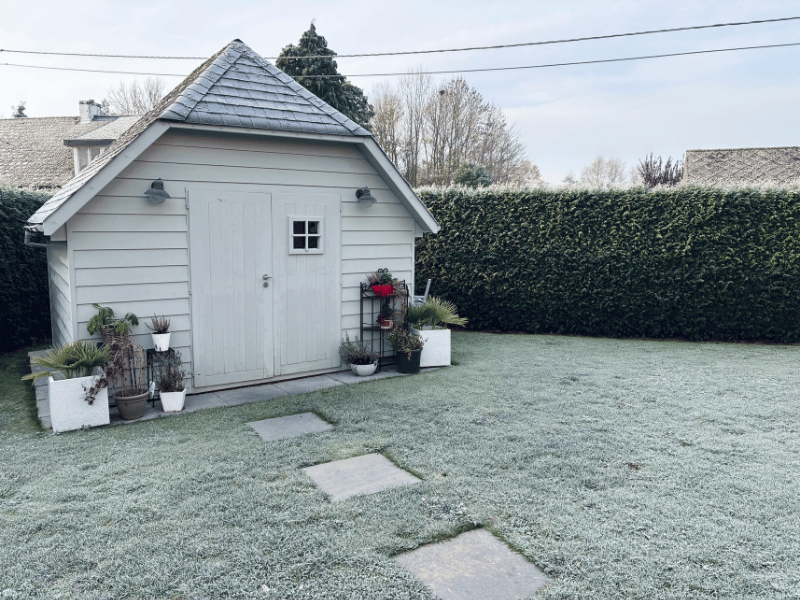
Different shed designs and uses require different approaches to ventilation. Understanding these differences helps you choose the most effective system for your specific situation.
Wooden Shed Ventilation Requirements
A wooden shed requires careful attention to moisture management since wood is particularly susceptible to rot and decay. The natural properties of wood mean that proper air circulation is essential for maintaining structural integrity over time.
For wooden structures, combining intake vents near the foundation or in soffits with exhaust vents at the roof level creates effective air movement. This setup prevents moisture from settling in wood components and helps maintain stable humidity levels that protect both the structure and stored items.
Metal Roof Considerations
Buildings with a metal roof experience different temperature dynamics than those with other roofing materials. Metal surfaces heat up quickly in direct sunlight, creating strong convection currents that can be harnessed for natural ventilation.
Ridge vents work particularly well with metal roofing systems, as the smooth surface helps hot air flow naturally toward exhaust points. The combination of metal roof efficiency with proper ventilation design creates excellent temperature control even during peak summer heat.
Storage Shed vs. Workshop Ventilation
A basic storage shed used primarily for keeping lawn equipment and seasonal items has different ventilation needs than a workshop where you might spend hours working. Storage solutions for basic needs might require only two vents – one for intake and one for exhaust.
Workshop spaces need more robust air movement to handle heat generated by tools, lighting, and human activity. These spaces benefit from multiple ventilation points and potentially powered ventilation systems that ensure adequate air exchange during active use periods.
For those considering modern shed options that might serve as multi-purpose spaces, planning for enhanced ventilation from the beginning ensures the building can adapt to changing uses over time.
How to Install Effective Ventilation in Your Shed
Proper planning and installation are crucial for creating a ventilation system that works effectively and provides long-term performance.
Planning Your Ventilation System
Start by considering your shed’s primary use, local climate conditions, and the building’s orientation to prevailing winds. A new shed provides the best opportunity to integrate ventilation into the design, but existing buildings can often be retrofitted with effective systems.
The key principle is creating a clear path for air movement from intake points to exhaust points. This typically means placing intake vents low and exhaust vents high, allowing natural convection to drive air circulation. Consider seasonal changes – what works in summer might need adjustment for winter conditions when you want to prevent freezing while maintaining some air movement.
Following Manufacturer’s Instructions
When installing any ventilation components, carefully follow manufacturer’s instructions for proper sizing, placement, and installation techniques. Improper installation can reduce effectiveness and potentially create problems like water infiltration or pest entry.
Consider professional installation for complex systems or when working on structures where mistakes could be costly. Quality installation ensures your ventilation system provides years of trouble-free operation and maximum effectiveness.
Similar principles apply to custom garage ventilation projects, where proper airflow is essential for protecting vehicles and maintaining comfortable working conditions in larger spaces.
Frequently Asked Questions
How many vents does my shed need for proper ventilation?
The number of vents needed depends on your shed size and use, but most sheds benefit from at least one intake vent and one exhaust vent. Larger buildings or those used as workshops may need additional vents to ensure adequate air exchange and prevent stagnant areas.
Can I use windows and door openings for shed ventilation?
While windows and door openings can provide some airflow when open, they shouldn’t be your only ventilation strategy. Dedicated vents work continuously and don’t require you to remember to open and close them. They also provide ventilation during winter when you wouldn’t want to leave windows or doors open.
What’s the best ventilation for preventing condensation in my attic space?
For sheds with attic areas or lofts, ensure adequate ventilation at both the soffit level and near the peak. This creates airflow through the entire vertical space and prevents moisture from accumulating in insulation or on roof surfaces during temperature changes.
Do I need different ventilation during winter months?
Winter ventilation needs are different but still important. You want enough air movement to prevent moisture buildup without creating uncomfortable drafts or allowing freezing temperatures to damage stored items. Adjustable vents can help you modify airflow based on seasonal needs.
How do I know if my current ventilation system is working effectively?
Signs of effective ventilation include stable temperatures, absence of condensation, no musty odors, and no visible mold or mildew. If you notice any of these problems, your current system may need improvement or additional vents.
What ventilation options work best in areas with limited wind?
In areas with minimal wind, consider turbine vents or solar-powered exhaust fans that don’t rely on natural air movement. These mechanical solutions ensure consistent air exchange even during calm periods when passive vents might not be effective.