When winter weather arrives, not all sheds are created equal. Many homeowners discover too late that their outdoor storage solution can’t handle harsh weather conditions, leaving their stored items vulnerable to damage from temperature fluctuations, heavy snow, and moisture. This guide explores the essential factors that make certain shed materials and designs superior for colder climates.
Key Takeaways
• Wood construction outperforms metal and other materials in cold-weather applications due to natural insulation properties and customization flexibility
• Proper ventilation and structural reinforcement are essential features that distinguish quality cold-weather sheds from basic storage buildings
• Professional construction with premium materials provides long-term value that justifies the investment through decades of reliable performance
• Customization options allow you to optimize your shed for specific storage needs while maintaining excellent cold-weather performance
Ready to Build Your Perfect Cold-Weather Shed?
Don’t settle for a basic storage solution that won’t protect your belongings when winter weather arrives. At Spokane Shed Co., we specialize in custom wood construction that delivers superior performance in the harshest conditions. Our expert team will work with you to design and build a shed that provides reliable protection and lasting value for your property.
Explore our complete selection of custom sheds and discover why wood construction from experienced builders makes all the difference in cold-weather performance.
Why Cold Weather Shed Selection Matters
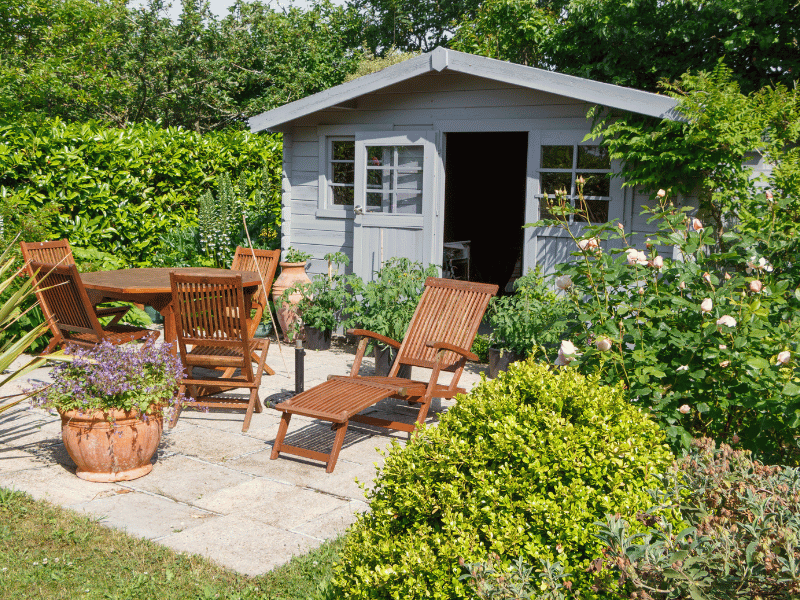
Choosing the right material for your outdoor shed isn’t just about initial cost—it’s about long-term protection and durability. The wrong shed type can lead to costly repairs, damaged belongings, and constant maintenance headaches during the winter months.
Protecting Your Belongings Safe During Winter Months
A well-built shed provides more than basic storage—it creates a controlled environment that shields your stored items from extreme temperature swings. Whether you’re storing outdoor furniture, tools, or seasonal equipment, proper protection ensures your investments remain in excellent condition year after year.
Temperature control becomes crucial when storing sensitive items that can crack, warp, or deteriorate in freezing conditions. The best cold-weather sheds maintain more stable internal temperatures, reducing the risk of damage to everything from gardening supplies to recreational equipment.
Structural Integrity Under Heavy Snow Loads
Heavy snow loads present one of the most significant challenges for outdoor storage structures. A storage shed must be engineered to handle not just the weight of accumulated snow, but also the stress of repeated freeze-thaw cycles that can compromise structural integrity over time.
Well-designed sheds feature reinforced floors and robust framing systems that distribute weight evenly, preventing sagging, warping, or catastrophic failure during severe weather events. This structural resilience is what separates quality construction from basic storage solutions.
Wood Sheds: The Superior Choice for Colder Climates
While various shed materials compete for attention, wooden shed construction consistently outperforms alternatives in cold-weather applications. Unlike metal options that conduct cold and create condensation issues, wood provides natural insulation properties that help regulate internal temperatures.
Why Wood Outperforms Other Materials in Winter Weather
Wood sheds excel in cold climates because wood naturally expands and contracts gradually with temperature changes, reducing stress on joints and connections. This flexibility prevents the sudden failures common with more rigid materials during rapid temperature fluctuations.
Additionally, wood construction allows for superior customization options. You can easily add insulation, interior finishes, and climate control features that would be difficult or impossible with other materials. Explore our wood shed options to see the quality difference professional construction makes.
Wood also provides excellent UV protection and weather resistance when properly maintained. Quality wooden sheds use fire-retardant treatments and premium siding materials that stand up to decades of harsh weather conditions without requiring constant repairs.
Fire Retardant and Weather Resistant Properties
Modern wood shed construction incorporates advanced treatments and materials that address traditional concerns about wood durability. Fire retardant treatments provide safety benefits while maintaining the natural insulation properties that make wood ideal for temperature control.
Weather-resistant finishes protect against moisture penetration, preventing rot and extending the life of your investment. When combined with proper ventilation systems, these treatments create a storage environment that remains stable and dry throughout winter weather cycles.
Essential Features for Cold-Weather Storage Sheds
The best shed for cold weather includes specific design elements that work together to create reliable outdoor storage. These features distinguish professional-grade construction from basic storage buildings that struggle in challenging conditions.
Proper Ventilation and Temperature Control
Proper ventilation prevents condensation buildup that can damage stored items and compromise the structure itself. Strategic airflow management maintains air circulation without allowing direct exposure to harsh weather conditions.
Effective ventilation systems include ridge vents, soffit vents, and moisture barriers that work together to eliminate humidity while maintaining temperature stability. This balance is crucial for protecting both the building and its contents during humid climates and winter conditions.
Reinforced Floors and Sturdy Construction
Medium-sized sheds and larger sheds require additional structural support to handle heavy snow and high winds. Reinforced floors distribute weight evenly and prevent sagging that can lead to door and window alignment issues.
Sturdy construction starts with proper foundation systems and extends through every component. Quality framing, premium roofing materials, and professional installation techniques ensure your outdoor shed maintains its integrity for decades. Learn about our custom shed designs that incorporate these essential features.
Comparing Popular Shed Materials for Winter Performance
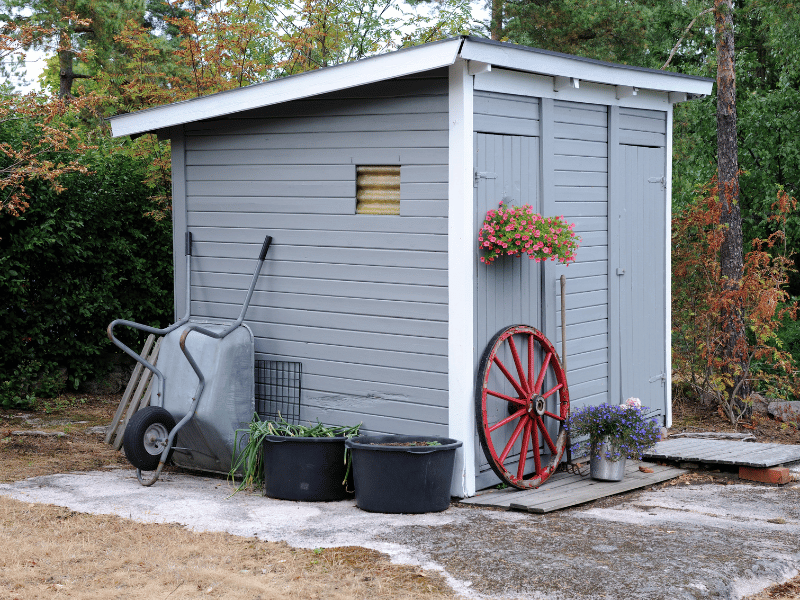
Understanding how different shed materials perform in cold weather helps you make an informed decision that balances cost, maintenance requirements, and long-term durability.
Wood vs Metal Sheds in Harsh Weather Conditions
Metal sheds often appear attractive due to low initial costs, but they present significant challenges in cold-weather applications. Metal siding conducts temperature extremes, creating interior conditions that mirror outside weather rather than providing protection from it.
Metal construction also suffers from condensation problems that can damage stored items and promote rust formation. Unlike wood, metal doesn’t provide natural insulation, making temperature control difficult or impossible without significant additional investment.
Wood construction offers superior performance through natural insulation properties, customization flexibility, and traditional appeal that enhances your property value. While wood may require painting periodically, this regular upkeep is minimal compared to the replacement costs associated with failed metal structures.
The Right Material for Your Storage Space
Common shed materials each have specific applications where they excel, but for cold-weather performance, wood consistently provides the best combination of durability, customization options, and weather resistance.
Popular shed materials like metal may work for basic storage needs in mild climates, but they lack the versatility and performance characteristics needed for reliable year-round use in harsh weather conditions. When you factor in long-term costs, wood construction provides superior value.
Discover our traditional gable shed design that exemplifies how proper material selection and construction techniques create incredibly durable storage solutions that perform reliably in any climate.
Customizing Your Shed for Year-Round Use
The best cold-weather sheds incorporate design elements that maximize functionality while providing the flexibility to adapt to changing storage needs throughout the seasons.
Design Preferences for Better Organization
Better organization starts with thoughtful space planning that considers both current needs and future expansion possibilities. Custom interior layouts can include built-in shelving, workbenches, and specialized storage areas that keep items accessible and protected.
Design preferences should also account for workflow efficiency. Well-planned layouts minimize the time you spend in cold conditions while accessing stored items, improving both convenience and comfort during winter months.
Adding Natural Light and Visual Appeal
Natural light transforms a basic storage building into a functional workspace that remains usable even during shorter winter days. Strategic window placement provides illumination without compromising security or weather resistance.
Visual appeal matters both for property value and personal satisfaction. Quality construction with attention to architectural details creates an attractive addition to your property that complements your home’s style. Explore our dormer shed design to see how thoughtful design enhances both function and appearance.
Professional construction ensures that aesthetic enhancements don’t compromise performance. Quality builders understand how to integrate attractive features while maintaining the structural integrity and weather resistance essential for cold-weather applications.
For more information about maximizing your outdoor storage potential, read about outbuilding benefits and how proper planning creates lasting value for your property.
Frequently Asked Questions
What makes a shed suitable for heavy snow loads?
A shed designed for heavy snow requires reinforced roof framing, properly spaced support beams, and engineered load calculations that account for your area’s typical snow accumulation. Professional construction ensures structural integrity under extreme conditions.
How do I prevent condensation in my storage shed during winter?
Proper maintenance includes ensuring adequate ventilation, using moisture barriers, and maintaining consistent airflow. Quality construction with appropriate vapor barriers prevents humidity buildup that can damage stored items and building materials.
Do larger sheds perform better in cold weather than smaller ones?
Larger sheds can offer better temperature stability due to increased thermal mass, but performance depends more on construction quality and insulation than size alone. Proper design matters more than square footage for cold-weather performance.
What type of roof works best for winter weather conditions?
A quality roof with appropriate pitch for snow shedding, premium materials rated for your climate zone, and proper underlayment provides reliable protection. Professional installation ensures long-term performance under harsh weather conditions.
How often should I perform regular upkeep on a wood shed in winter?
Regular upkeep for wood construction typically involves annual inspection of finishes, clearing debris from ventilation areas, and addressing any minor maintenance issues before they become major problems. Quality construction minimizes maintenance requirements.
Can I add heating or climate control to my outdoor storage building?
Many wood sheds can accommodate electrical systems for heating, lighting, or climate control. Professional construction with proper wiring and insulation makes these upgrades safe and effective for year-round comfort.