When planning to add a shed to your property, one of the most important questions homeowners ask is whether sheds need a foundation. The short answer is yes – every quality shed requires some type of solid foundation to ensure longevity, stability, and protection from the elements. At Spokane Shed Co., we’ve been building durable structures since 1988, and we understand that a proper foundation is the cornerstone of any successful shed project.
A shed foundation serves multiple critical purposes: it provides a level, stable base for your structure, protects against ground moisture that can cause rot and damage, and ensures your shed remains structurally sound for decades. Without an adequate foundation, even the highest-quality materials and craftsmanship can fail prematurely due to shifting, settling, or water damage.
TLDR: Key Takeaways
• All quality sheds need foundations – Proper foundations protect your investment and ensure structural integrity for decades
• Foundation type depends on shed size and use – Concrete slabs offer maximum stability, while gravel systems provide good drainage at lower cost
• Professional installation ensures code compliance – Expert foundation work prevents costly problems and provides warranty protection
• Local climate matters – Spokane area foundations must account for frost line depth and freeze-thaw cycles for optimal performance
Ready to Build Your Dream Shed on a Solid Foundation?
Don’t let foundation concerns hold you back from getting the quality storage solution you need. At Spokane Shed Co., we handle every aspect of shed construction, from foundation planning to final finishing touches. Our experienced team ensures your shed starts with the proper foundation it deserves, using the same quality standards we’ve maintained since 1988.
Explore Our Sheds today and discover how our commitment to quality construction, including proper foundations, creates storage solutions that last for decades. Contact us for your free consultation and let’s discuss the perfect shed and foundation solution for your property.
Why Shed Foundations Matter for Long-Term Durability
The foundation of your shed is perhaps the most crucial element determining its lifespan and functionality. Just as our custom sheds are built with the same quality standards as custom homes, the foundation must meet equally high standards to support the entire structure.
Protecting Your Investment from Ground Moisture
Ground moisture is one of the biggest threats to any wooden structure. A solid foundation creates a barrier between your shed floor and the potentially damp ground below. This protection is essential for preventing:
- Wood rot in floor joists and wall framing
- Mold and mildew growth inside your shed
- Warping and deterioration of stored items
- Structural damage that can compromise the entire building
At Spokane Shed Co., we build our sheds on 4×4 treated beams with concrete pads and moisture barriers specifically to combat these issues. This approach ensures your investment remains protected year after year.
Ensuring Structural Stability and Level Installation
A proper foundation provides the level, stable platform necessary for proper shed construction. Without it, your shed walls may develop gaps, doors might not close properly, and the entire structure could shift over time. This is why we never cut corners on foundation work – every Traditional Gable shed we build starts with a foundation that will keep it level and secure.
Types of Shed Foundations: Choosing the Right Option
Not all shed foundations are created equal. The best shed foundation for your project depends on factors like shed size, local soil conditions, your budget, and intended use. Let’s explore the most effective shed foundation types available.
Concrete Slab Foundations for Maximum Stability
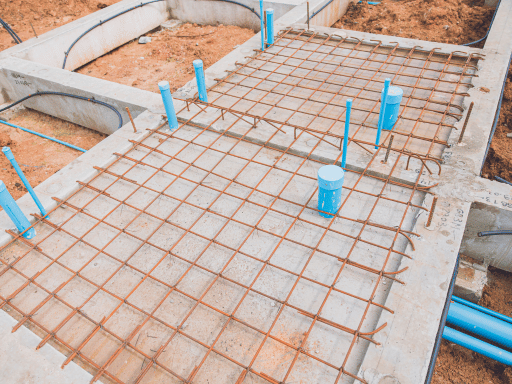
A concrete slab foundation represents the gold standard for shed foundations. This permanent foundation option involves pouring a solid concrete floor that serves as both the foundation and the shed floor. Concrete slab foundations offer several advantages:
- Maximum stability: Nothing beats concrete for creating a rock-solid base
- Moisture protection: Concrete effectively blocks ground moisture when properly installed
- Durability: A quality concrete pad can last for decades with minimal maintenance
- Clean storage: A smooth concrete floor makes organizing and cleaning easy
The concrete shed foundation approach works particularly well for larger structures or sheds that will house heavy equipment. While the initial investment is higher, the long-term benefits make it worthwhile for many homeowners.
Gravel Foundation Systems for Drainage
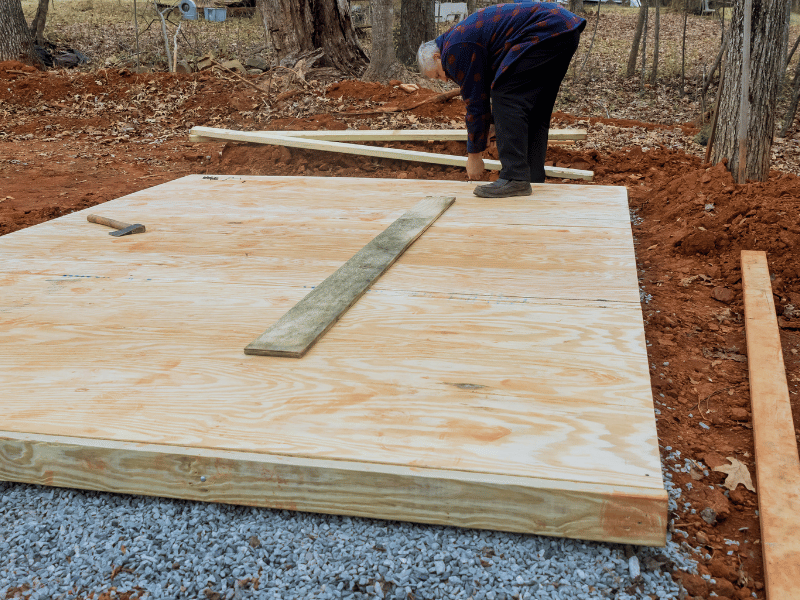
A gravel shed foundation offers excellent drainage properties while providing good stability at a lower cost than concrete. This foundation type involves creating a level bed of crushed stone that allows water to drain away naturally. Key benefits include:
- Superior drainage: Water flows through rather than pooling around your shed
- Cost-effective: Generally less expensive than concrete options
- Adjustable: Easier to level and modify if needed
- Good for smaller sheds: Perfect for garden sheds and lighter structures
A gravel pad foundation works well in areas with good natural drainage and for homeowners who want a solid foundation without the permanence of concrete. Many of our Dormer Shed designs perform excellently on properly prepared gravel foundations.
Concrete Piers and Footings for Elevated Support
Concrete piers provide an elevated foundation solution that’s particularly effective in areas prone to moisture or where you want to minimize ground contact. This system uses individual concrete footings placed at strategic points to support the shed frame. Benefits include:
- Excellent ventilation: Air circulation helps prevent moisture buildup
- Frost protection: Piers can extend below the frost line for stability
- Cost balance: More affordable than full slabs while offering good durability
- Versatile: Works well on uneven terrain with proper planning
Concrete piers work especially well when combined with a wood frame floor system, creating a robust foundation that handles various ground conditions effectively.
Foundation Requirements by Shed Size and Type
The foundation requirements for your shed largely depend on its size, intended use, and construction type. Understanding these requirements helps ensure you choose the most appropriate foundation solution.
Small Garden Sheds vs. Medium Storage Buildings
Very small sheds (under 8×10 feet) may have more flexible foundation options, while medium sheds and larger structures require more substantial support. Here’s how size affects your foundation needs:
Smaller Sheds:
- May work with gravel pads or concrete blocks in some situations
- Still benefit significantly from proper foundations
- Easier to relocate if needed with appropriate foundation choices
Medium to Large Sheds:
- Require more substantial foundation systems
- Need careful attention to local building codes
- Benefit most from permanent foundation solutions
Even a simple garden shed for storing garden tools deserves a proper foundation. The relatively small additional cost of doing the foundation right from the start far outweighs the potential problems of inadequate support.
Permanent vs. Temporary Foundation Solutions
When considering shed foundation ideas, think about your long-term plans. Permanent foundations like concrete slabs or piers offer maximum stability and durability but represent a bigger commitment. Temporary solutions might work for plastic sheds or structures you might relocate.
However, our experience shows that investing in permanent foundations almost always proves worthwhile. Even if you think you might move your shed later, the benefits of proper support typically outweigh the flexibility of temporary solutions.
Building Code Considerations and Frost Line Requirements
Understanding local building requirements is crucial for any foundation project. While requirements vary by location and shed size, certain principles apply universally.
Local Building Department Guidelines
Before starting any foundation work, check with your local building department about permit requirements and foundation specifications. Many areas have specific requirements for:
- Minimum foundation depths
- Frost line considerations
- Setback requirements from property lines
- Structural specifications for different shed sizes
Working with experienced builders like our custom garage team ensures your project meets all applicable codes while providing the durability you expect.
Frost-Proof Foundation Design for Spokane Climate
In the Spokane area, the local frost line extends several feet below ground level during winter months. A frost proof foundation design ensures your shed foundation won’t heave or shift when the ground freezes and thaws. This typically means:
- Extending footings below the frost line
- Using proper drainage to prevent water accumulation
- Choosing materials that handle freeze-thaw cycles well
- Following local guidelines for frost protection
Our team understands these local conditions and designs every foundation to handle Spokane’s climate challenges effectively.
Professional Foundation Installation Process
While some homeowners consider DIY foundation work, professional installation ensures optimal results and long-term performance. Understanding the professional process helps you appreciate the value of expert installation.
Site Preparation and Proper Foundation Planning
Professional foundation installation begins with thorough site evaluation and preparation. This includes:
- Soil analysis: Understanding your specific soil conditions
- Drainage assessment: Ensuring water moves away from the foundation
- Site leveling: Creating the proper grade for foundation installation
- Utility location: Avoiding underground utilities during excavation
Proper planning prevents costly mistakes and ensures your foundation performs as intended for decades.
Why Professional Installation Ensures Best Results
When you build a shed foundation with experienced professionals, you benefit from:
- Proper techniques: Years of experience translate to superior results
- Quality materials: Access to professional-grade materials and tools
- Code compliance: Ensuring your foundation meets all local requirements
- Warranty protection: Professional work typically includes warranty coverage
At Spokane Shed Co., we approach every foundation project with the same attention to detail we bring to understanding what outbuildings are and how they should be constructed. Our foundation work provides the solid base your quality shed deserves.
Frequently Asked Questions
What type of foundation works best for plastic grid systems?
Plastic grid systems can work well as shed foundation piers when properly installed over a prepared gravel base. However, for maximum longevity and stability, traditional concrete or gravel foundations typically provide better long-term performance than plastic alternatives.
How do I determine my shed location’s frost line requirements?
Your local frost line depth depends on your specific geographic area and should be confirmed with your local building department. In most cases, foundations should extend below this depth to prevent frost heave damage during freeze-thaw cycles.
Can I install concrete form tubes for smaller shed foundations?
Concrete form tubes work well for creating individual pier foundations, especially for smaller sheds. They provide a cost-effective way to create concrete footings that extend below the frost line while supporting the shed frame above ground level.
What’s the difference between crushed stone and regular gravel for shed bases?
Crushed stone typically provides better compaction and stability than rounded gravel because the angular edges lock together more effectively. This creates a more stable shed base that resists settling over time.
Do hollow wall blocks work effectively for shed foundations?
Hollow wall blocks can provide adequate support for lighter structures when properly installed and filled with concrete. However, solid concrete solutions typically offer superior long-term stability and moisture protection.
Should I use pressure treated lumber for foundation contact points?
Yes, any lumber that contacts the foundation should be pressure treated to resist moisture and insect damage. This is especially important for sill plates and other wood frame components that sit directly on concrete or other foundation materials.