When you’re searching for the right shed for your property, one of the most important decisions you’ll face is choosing between different materials. Are wood or plastic sheds better? This question touches the heart of what makes a perfect shed – balancing durability, aesthetics, and maintenance requirements to create the ideal storage solution for your backyard. The answer isn’t always straightforward, as the best material depends on your local climate, personal style, and long-term goals. While plastic shed options and metal sheds have gained popularity in recent years, wood sheds remain the gold standard for those seeking a truly visually appealing and customizable garden shed solution. TLDR: Key Points • Wooden sheds offer superior customization, structural integrity, and long-term value compared to plastic alternatives• Weather resistance and durability are better achieved through quality wood construction with proper materials and techniques• Maintenance requirements for wood are manageable and provide opportunities to refresh appearance while ensuring longevity• Personal style and aesthetic preferences typically favor wood construction for its natural beauty and customization potential Ready to Build Your Perfect Shed? Now that you understand why wooden sheds consistently outperform plastic and metal alternatives, it’s time to explore your options. At Spokane Shed Co., we specialize in creating custom wooden structures that perfectly match your needs, style, and property. Don’t settle for a basic storage solution when you can have a beautiful, durable, and fully customizable structure built to last. Explore our shed collection to see the superior craftsmanship and endless possibilities available with premium wood construction. Understanding Different Shed Types and Materials Wood Sheds: The Classic Choice Wooden sheds have been the preferred choice for homeowners for generations, and for good reason. Timber sheds offer unmatched versatility, allowing for complete customization to match your home’s architecture and your unique needs. Unlike mass-produced alternatives, wood construction enables endless possibilities for windows, doors, interior layouts, and exterior finishes. At Spokane Shed Co., our custom shed designs showcase the superior craftsmanship possible with wood construction. Built with 2×4 studs on 16″ centers and topped with 30-year architectural shingles, our wooden structures are engineered to last decades while maintaining their attractive appearance. Wood excels in extreme temperatures common to the Pacific Northwest. Unlike synthetic materials that can become brittle in cold weather or warp in heat, properly constructed wood expands and contracts naturally with seasonal changes. Our Traditional Gable shed demonstrates how classic wood construction handles weather-resistant challenges while providing the authentic look that complements any home. Plastic and Alternative Materials Overview Resin sheds, vinyl sheds, and metal alternatives have carved out a niche in the shed market. These materials typically market themselves as maintenance-free or low-maintenance solutions. Resin and plastic options resist rot and don’t require regular painting, which appeals to homeowners seeking minimal upkeep. However, these materials come with significant limitations. Most plastic alternatives cannot support as much weight on their walls for shelves, hooks, and storage accessories. The structural integrity simply doesn’t match what’s possible with properly framed wood construction. Durability and Weather Resistance Comparison How Wooden Sheds Handle Local Climate Conditions Your local climate plays a crucial role in material selection. In the Spokane area, we experience everything from hot summers to freezing winters, making weather resistance a top priority. Quality wooden construction, when properly built and maintained, excels in these varied conditions. Our wood structures feature moisture barriers and are built on 4×4 treated beams with concrete pads, preventing moisture damage from ground contact. The roof system uses architectural shingles designed to withstand extreme temperatures and protect your stored items from the elements. Unlike plastic alternatives that can become prone to cracking in extreme weather conditions, wood flexes naturally with temperature changes. The key to wood’s durability lies in proper construction and material selection. We use LP Smartside siding, which provides superior moisture resistance compared to untreated wood while maintaining the natural beauty that makes wooden structures so appealing. Maintenance Requirements for Long-Term Performance Let’s address the elephant in the room: maintenance. While plastic and metal options advertise minimal upkeep, the reality is more nuanced. Wooden structures do require painting and regular sealing every few years, but this regular maintenance is often overstated as a burden. Consider this: maintenance provides an opportunity to refresh your structure’s appearance and inspect for any issues before they become problems. Quality wood construction, like our builds, requires less maintenance than many homeowners expect. Our professional paint jobs using premium materials extend the time between touch-ups significantly. Plastic alternatives may avoid painting requirements, but they can’t be easily repaired when damage occurs. A wooden structure that suffers damage from falling branches or other impacts can be professionally repaired to look like new. When plastic or resin materials break, replacement is often the only option. Choosing the Best Material for Your Backyard Storage Solution Factors to Consider for Your Perfect Shed Selecting your ideal storage solution requires evaluating several environmental factors. Strong winds, humid climates, and temperature extremes all impact material performance differently. Wood’s proven track record in diverse conditions makes it a reliable choice for long-term satisfaction. Consider your intended use as well. If you plan to store tools, create a workshop space, or need a structure that can support heavy shelves and equipment, wood construction provides the structural integrity required. Our custom garages demonstrate how wood framing can support everything from overhead storage to heavy equipment. Security is another important consideration. Wooden structures can accommodate high-quality locks, reinforced door frames, and even security systems more easily than plastic alternatives. When protecting valuable tools and equipment, the superior security options available with wood construction provide peace of mind. Why Personal Style Matters in Shed Selection Your shed isn’t just a functional storage space – it’s an extension of your house and property aesthetic. Personal style preferences often tip the scales toward wood construction because of its natural beauty and customization potential. Our Modern Shed showcases how wood construction adapts to contemporary design preferences while maintaining structural integrity. Unlike plastic alternatives that offer limited color and style
What Type of Shed Lasts the Longest? A Complete Durability Guide
When investing in extra storage space for your outdoor space, choosing the right shed material is crucial for long-term value. The type of shed you select directly impacts its life expectancy, maintenance requirements, and ability to withstand extreme weather conditions. Understanding which shed materials offer the best longevity helps you make an informed decision for your storage solution needs. TLDR: Key Takeaways • Metal sheds (galvanized steel/aluminum) offer the longest lifespan with minimal maintenance requirements and superior weather resistance• Professional wooden construction provides 20-30+ year longevity with proper maintenance and offers the most customization options• Vinyl and resin materials excel as low-maintenance solutions but may not match the extreme durability of metal or quality wood construction• Foundation quality and professional installation significantly impact longevity regardless of material choice Ready to Invest in a Long-Lasting Storage Solution? Don’t settle for a basic shed that will need replacement in just a few years. At Spokane Shed Co., we build storage solutions designed to last decades using quality materials and professional construction techniques. Whether you choose metal, wood, or composite materials, our expert craftsmanship ensures your investment provides reliable service for years to come. Explore our durable shed options and discover how professional construction makes all the difference in creating storage solutions that truly stand the test of time. Understanding Shed Material Longevity Different building materials offer varying levels of durability, weather resistance, and maintenance requirements. Each shed type has unique characteristics that affect how long it will serve as a reliable storage shed for your lawn equipment and gardening tools. Metal Sheds: Built for Extreme Weather Conditions Metal sheds, particularly those made from galvanized steel, represent one of the most durable options available. Steel sheds offer exceptional structural integrity and can withstand extreme temperatures that would damage other materials. The galvanized coating helps these structures resist rust, making them ideal for humid or coastal areas where moisture is a constant concern. Aluminum sheds provide another excellent metal option, offering natural rust resistance while maintaining a lightweight yet sturdy frame. These outdoor structures require minimal maintenance and can handle harsh weather conditions year after year. When you explore our custom shed designs, you’ll find that our metal construction options incorporate high-quality materials that ensure decades of reliable service. Wooden Sheds: Classic Appeal with Proper Maintenance Wooden structures remain a popular choice for their aesthetic appeal and versatility. Wood sheds can last for decades when properly maintained and constructed with high-quality shed materials. The key factors for wooden shed longevity include regular maintenance such as staining or painting every few years, proper ventilation to prevent moisture buildup, and protection from insect damage. Unlike basic storage options, professionally built wooden sheds feature treated lumber and proper construction techniques that significantly extend their lifespan. Our Modern Shed designs showcase how quality wooden construction can provide both durability and visual appeal for your outdoor shed needs. Vinyl and Resin Sheds: Low-Maintenance Solutions Vinyl sheds tend to offer excellent weather-resistant properties with minimal upkeep requirements. These plastic structures don’t rot, rust, or require painting, making them an incredibly durable option for homeowners seeking a low-maintenance solution. Many resin sheds feature UV-resistant materials that prevent fading and cracking from sun exposure. Plastic sheds and resin sheds offer similar benefits, providing a long-lasting storage solution that can handle extreme heat and cold without degrading. While they may not have the same aesthetic appeal as wood or metal options, vinyl siding and resin materials excel in humid climates where other materials might struggle. Key Factors That Determine Shed Life Expectancy Beyond material choice, several environmental factors and construction elements influence your shed’s longevity and overall performance as an outdoor structure. Weather Resistance and Structural Integrity The ability to withstand extreme weather determines how long any storage shed will remain functional. Quality construction includes proper roof design to handle snow loads, adequate drainage to prevent water damage, and secure anchoring to resist strong winds. When you learn about our construction expertise, you’ll discover how professional installation ensures your new shed can handle whatever nature brings. A solid foundation is essential for any long-lasting shed, regardless of material type. Proper site preparation and foundation work prevent settling, moisture intrusion, and structural problems that can significantly reduce a shed’s lifespan. Foundation and Building Material Quality Material quality directly impacts how well your outdoor structures perform over time. High-quality materials cost more initially but provide better value through extended life expectancy and reduced maintenance needs. Professional-grade hardware, proper flashing, and quality roofing materials all contribute to a shed’s ability to provide reliable service for decades. Comparing Shed Materials for Long-Lasting Storage Solutions When evaluating different shed materials, consider both immediate needs and long-term costs. Metal sheds offer the longest potential lifespan with rust-resistant coatings and minimal maintenance requirements. They excel in areas with harsh weather conditions and provide excellent protection for valuable items. Wood remains the most customizable option, allowing for custom garage solutions and specialized features that other materials can’t match. With proper care, wooden sheds can last 20-30 years or more while providing superior aesthetic appeal and modification potential. Vinyl and resin options work best for basic storage needs where frequent upkeep isn’t desired. These materials generally cost less than professional wooden or steel construction but may not offer the same longevity or customization options. Why Professional Construction Makes the Difference Regardless of material choice, professional construction significantly impacts your shed’s longevity. Quality craftsmanship ensures proper assembly, weather sealing, and structural integrity that DIY or low-cost alternatives often lack. When you read more about outbuilding benefits, you’ll understand how professional construction translates to better long-term value. Professional builders use proven techniques, quality fasteners, and proper installation methods that extend your shed’s life expectancy far beyond what’s possible with basic construction approaches. The initial investment in professional construction pays dividends through decades of reliable service and minimal repair needs. Frequently Asked Questions What shed material requires the least maintenance over time? Metal and vinyl materials require minimal maintenance compared to wood. Galvanized steel
What Is the Best Shed for Cold Weather? Your Complete Guide
When winter weather arrives, not all sheds are created equal. Many homeowners discover too late that their outdoor storage solution can’t handle harsh weather conditions, leaving their stored items vulnerable to damage from temperature fluctuations, heavy snow, and moisture. This guide explores the essential factors that make certain shed materials and designs superior for colder climates. Key Takeaways • Wood construction outperforms metal and other materials in cold-weather applications due to natural insulation properties and customization flexibility• Proper ventilation and structural reinforcement are essential features that distinguish quality cold-weather sheds from basic storage buildings• Professional construction with premium materials provides long-term value that justifies the investment through decades of reliable performance• Customization options allow you to optimize your shed for specific storage needs while maintaining excellent cold-weather performance Ready to Build Your Perfect Cold-Weather Shed? Don’t settle for a basic storage solution that won’t protect your belongings when winter weather arrives. At Spokane Shed Co., we specialize in custom wood construction that delivers superior performance in the harshest conditions. Our expert team will work with you to design and build a shed that provides reliable protection and lasting value for your property. Explore our complete selection of custom sheds and discover why wood construction from experienced builders makes all the difference in cold-weather performance. Why Cold Weather Shed Selection Matters Choosing the right material for your outdoor shed isn’t just about initial cost—it’s about long-term protection and durability. The wrong shed type can lead to costly repairs, damaged belongings, and constant maintenance headaches during the winter months. Protecting Your Belongings Safe During Winter Months A well-built shed provides more than basic storage—it creates a controlled environment that shields your stored items from extreme temperature swings. Whether you’re storing outdoor furniture, tools, or seasonal equipment, proper protection ensures your investments remain in excellent condition year after year. Temperature control becomes crucial when storing sensitive items that can crack, warp, or deteriorate in freezing conditions. The best cold-weather sheds maintain more stable internal temperatures, reducing the risk of damage to everything from gardening supplies to recreational equipment. Structural Integrity Under Heavy Snow Loads Heavy snow loads present one of the most significant challenges for outdoor storage structures. A storage shed must be engineered to handle not just the weight of accumulated snow, but also the stress of repeated freeze-thaw cycles that can compromise structural integrity over time. Well-designed sheds feature reinforced floors and robust framing systems that distribute weight evenly, preventing sagging, warping, or catastrophic failure during severe weather events. This structural resilience is what separates quality construction from basic storage solutions. Wood Sheds: The Superior Choice for Colder Climates While various shed materials compete for attention, wooden shed construction consistently outperforms alternatives in cold-weather applications. Unlike metal options that conduct cold and create condensation issues, wood provides natural insulation properties that help regulate internal temperatures. Why Wood Outperforms Other Materials in Winter Weather Wood sheds excel in cold climates because wood naturally expands and contracts gradually with temperature changes, reducing stress on joints and connections. This flexibility prevents the sudden failures common with more rigid materials during rapid temperature fluctuations. Additionally, wood construction allows for superior customization options. You can easily add insulation, interior finishes, and climate control features that would be difficult or impossible with other materials. Explore our wood shed options to see the quality difference professional construction makes. Wood also provides excellent UV protection and weather resistance when properly maintained. Quality wooden sheds use fire-retardant treatments and premium siding materials that stand up to decades of harsh weather conditions without requiring constant repairs. Fire Retardant and Weather Resistant Properties Modern wood shed construction incorporates advanced treatments and materials that address traditional concerns about wood durability. Fire retardant treatments provide safety benefits while maintaining the natural insulation properties that make wood ideal for temperature control. Weather-resistant finishes protect against moisture penetration, preventing rot and extending the life of your investment. When combined with proper ventilation systems, these treatments create a storage environment that remains stable and dry throughout winter weather cycles. Essential Features for Cold-Weather Storage Sheds The best shed for cold weather includes specific design elements that work together to create reliable outdoor storage. These features distinguish professional-grade construction from basic storage buildings that struggle in challenging conditions. Proper Ventilation and Temperature Control Proper ventilation prevents condensation buildup that can damage stored items and compromise the structure itself. Strategic airflow management maintains air circulation without allowing direct exposure to harsh weather conditions. Effective ventilation systems include ridge vents, soffit vents, and moisture barriers that work together to eliminate humidity while maintaining temperature stability. This balance is crucial for protecting both the building and its contents during humid climates and winter conditions. Reinforced Floors and Sturdy Construction Medium-sized sheds and larger sheds require additional structural support to handle heavy snow and high winds. Reinforced floors distribute weight evenly and prevent sagging that can lead to door and window alignment issues. Sturdy construction starts with proper foundation systems and extends through every component. Quality framing, premium roofing materials, and professional installation techniques ensure your outdoor shed maintains its integrity for decades. Learn about our custom shed designs that incorporate these essential features. Comparing Popular Shed Materials for Winter Performance Understanding how different shed materials perform in cold weather helps you make an informed decision that balances cost, maintenance requirements, and long-term durability. Wood vs Metal Sheds in Harsh Weather Conditions Metal sheds often appear attractive due to low initial costs, but they present significant challenges in cold-weather applications. Metal siding conducts temperature extremes, creating interior conditions that mirror outside weather rather than providing protection from it. Metal construction also suffers from condensation problems that can damage stored items and promote rust formation. Unlike wood, metal doesn’t provide natural insulation, making temperature control difficult or impossible without significant additional investment. Wood construction offers superior performance through natural insulation properties, customization flexibility, and traditional appeal that enhances your property value. While wood may require painting periodically, this regular upkeep is minimal
What Is the Best Ventilation for a Shed? A Complete Guide to Proper Airflow
Proper shed ventilation is essential for protecting your investment and maintaining a healthy storage environment. Without adequate airflow, your shed can become a breeding ground for mold, experience temperature extremes, and suffer from moisture-related damage. Understanding what is the best ventilation for a shed will help you create an effective system that keeps your building and belongings in excellent condition year-round. TLDR • Proper ventilation prevents moisture damage, controls temperature, and protects stored items by creating continuous air exchange that removes stale air and brings in fresh air. • The best ventilation systems combine intake vents (soffit or wall vents) with exhaust vents (ridge, gable, or roof vents) to create natural airflow patterns that work with hot air’s tendency to rise. • Different shed types require different approaches – wooden sheds need moisture control, metal roofs create strong convection currents, and workshop spaces need more robust air movement than basic storage areas. • Professional planning and proper installation following manufacturer’s instructions ensure your ventilation system works effectively and provides long-term performance in all weather conditions. Ready to Build Your Perfectly Ventilated Shed? Don’t let poor ventilation damage your investment or make your space uncomfortable to use. At Spokane Shed Co., we understand the importance of proper airflow in every building we construct. Our experienced team incorporates effective ventilation solutions into every design, ensuring your shed provides years of reliable, comfortable storage or workspace. Ready to explore your options? Discover our complete range of shed designs and see how proper planning creates buildings that stand the test of time. Contact us today for a consultation and let’s discuss the perfect ventilation solution for your needs. Why Proper Shed Ventilation Matters Effective ventilation serves multiple critical functions in any building, from preventing structural damage to maintaining comfortable working conditions. When you ventilate your shed properly, you create an environment that protects both the structure and everything stored inside. Preventing Moisture and Humidity Problems Moisture is one of the biggest threats to any wooden shed or storage building. When humidity levels rise without proper air circulation, condensation forms on walls, roof surfaces, and stored items. This excess moisture creates ideal conditions for mold growth and can cause wood rot, metal corrosion, and damage to your belongings. A well-designed ventilation system allows damp air to escape while bringing in fresh, dry air. This air exchange prevents moisture buildup that can occur during winter months when temperature differences between inside and outside are greatest. Even during summer, proper airflow helps manage humidity levels that can make your shed feel uncomfortable and potentially damage sensitive items. Temperature Control and Heat Management During summer months, sheds can become extremely hot without adequate ventilation. The sun beating down on your roof can create temperatures that are harmful to stored items and make the space unusable for any work activities. Hot air rises naturally, and an effective ventilation system takes advantage of this principle to remove heated air and replace it with cooler outside air. Temperature control isn’t just about comfort – extreme heat can damage paint, plastic items, electronics, and other belongings you might store in your shed. Proper air movement helps maintain more stable temperatures that protect your investments and make your shed more functional as a workspace. Protecting Your Storage Items Whether you’re putting lawn equipment, tools, holiday decorations, or other valuables in your storage shed, proper ventilation protects these items from damage. Fumes from gasoline, paint, and other chemicals need to escape safely, while air circulation prevents the stagnant conditions that promote rust, mildew, and deterioration. Items stored for long periods are particularly vulnerable to damage from poor air quality. A shed ventilated with proper airflow ensures your belongings remain in good condition regardless of how long they’re stored. Types of Shed Ventilation Systems Understanding your ventilation options helps you choose the best combination for your specific needs and shed design. Each type of vent serves different purposes and works best in certain locations and situations. Ridge Vents for Optimal Hot Air Escape Ridge vents installed at the peak of your roof provide excellent natural ventilation by allowing hot air to escape at the highest point of your building. Since hot air rises, ridge vents work with natural air movement patterns to create effective airflow without requiring electricity or moving parts. These vents work particularly well on traditional gable shed designs where the roof peak runs the length of the building. Ridge vents can be combined with intake vents lower on the structure to create a natural convection cycle that continuously moves air through your space. Gable Vents for Cross-Ventilation A gable vent installed in the gable end of your shed creates excellent cross-ventilation when paired with another vent on the opposite end. This setup allows wind to naturally push air through your building, creating air movement even when there’s no significant temperature difference. Gable vents are easy to install and provide good airflow for most storage needs. They work especially well in areas with consistent wind patterns and can be combined with other ventilation types for enhanced effectiveness. Soffit Vents and Intake Options Intake vents installed in soffits or low on walls bring fresh air into your shed while exhaust vents at higher elevations allow stale air to escape. This creates a natural airflow pattern that works with warm air’s tendency to rise. Vented soffits provide continuous intake along the edges of your roof, ensuring adequate fresh air supply for your ventilation system. When combined with roof vents or ridge vents, soffit vents create an efficient air exchange system that works automatically. Wall Vents and Roof Vents Wall vents can be strategically placed to take advantage of prevailing wind directions and provide targeted airflow where needed. These vents are particularly useful in custom shed designs where standard roof ventilation might not be sufficient. Roof vents, including turbine vents that are wind powered, provide excellent exhaust capabilities. Solar-powered roof vents offer enhanced air movement during peak heat periods when ventilation is most needed, though
Do Sheds Need a Foundation? Your Complete Guide to Shed Foundation Requirements
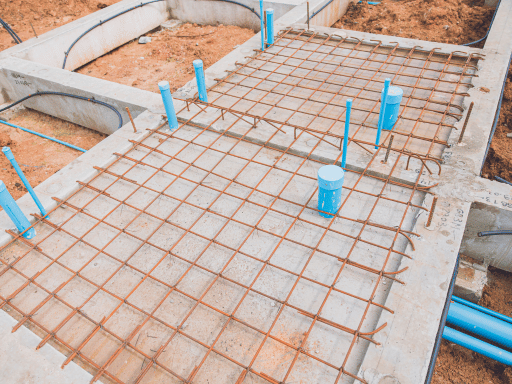
When planning to add a shed to your property, one of the most important questions homeowners ask is whether sheds need a foundation. The short answer is yes – every quality shed requires some type of solid foundation to ensure longevity, stability, and protection from the elements. At Spokane Shed Co., we’ve been building durable structures since 1988, and we understand that a proper foundation is the cornerstone of any successful shed project. A shed foundation serves multiple critical purposes: it provides a level, stable base for your structure, protects against ground moisture that can cause rot and damage, and ensures your shed remains structurally sound for decades. Without an adequate foundation, even the highest-quality materials and craftsmanship can fail prematurely due to shifting, settling, or water damage. TLDR: Key Takeaways • All quality sheds need foundations – Proper foundations protect your investment and ensure structural integrity for decades• Foundation type depends on shed size and use – Concrete slabs offer maximum stability, while gravel systems provide good drainage at lower cost• Professional installation ensures code compliance – Expert foundation work prevents costly problems and provides warranty protection• Local climate matters – Spokane area foundations must account for frost line depth and freeze-thaw cycles for optimal performance Ready to Build Your Dream Shed on a Solid Foundation? Don’t let foundation concerns hold you back from getting the quality storage solution you need. At Spokane Shed Co., we handle every aspect of shed construction, from foundation planning to final finishing touches. Our experienced team ensures your shed starts with the proper foundation it deserves, using the same quality standards we’ve maintained since 1988. Explore Our Sheds today and discover how our commitment to quality construction, including proper foundations, creates storage solutions that last for decades. Contact us for your free consultation and let’s discuss the perfect shed and foundation solution for your property. Why Shed Foundations Matter for Long-Term Durability The foundation of your shed is perhaps the most crucial element determining its lifespan and functionality. Just as our custom sheds are built with the same quality standards as custom homes, the foundation must meet equally high standards to support the entire structure. Protecting Your Investment from Ground Moisture Ground moisture is one of the biggest threats to any wooden structure. A solid foundation creates a barrier between your shed floor and the potentially damp ground below. This protection is essential for preventing: At Spokane Shed Co., we build our sheds on 4×4 treated beams with concrete pads and moisture barriers specifically to combat these issues. This approach ensures your investment remains protected year after year. Ensuring Structural Stability and Level Installation A proper foundation provides the level, stable platform necessary for proper shed construction. Without it, your shed walls may develop gaps, doors might not close properly, and the entire structure could shift over time. This is why we never cut corners on foundation work – every Traditional Gable shed we build starts with a foundation that will keep it level and secure. Types of Shed Foundations: Choosing the Right Option Not all shed foundations are created equal. The best shed foundation for your project depends on factors like shed size, local soil conditions, your budget, and intended use. Let’s explore the most effective shed foundation types available. Concrete Slab Foundations for Maximum Stability A concrete slab foundation represents the gold standard for shed foundations. This permanent foundation option involves pouring a solid concrete floor that serves as both the foundation and the shed floor. Concrete slab foundations offer several advantages: The concrete shed foundation approach works particularly well for larger structures or sheds that will house heavy equipment. While the initial investment is higher, the long-term benefits make it worthwhile for many homeowners. Gravel Foundation Systems for Drainage A gravel shed foundation offers excellent drainage properties while providing good stability at a lower cost than concrete. This foundation type involves creating a level bed of crushed stone that allows water to drain away naturally. Key benefits include: A gravel pad foundation works well in areas with good natural drainage and for homeowners who want a solid foundation without the permanence of concrete. Many of our Dormer Shed designs perform excellently on properly prepared gravel foundations. Concrete Piers and Footings for Elevated Support Concrete piers provide an elevated foundation solution that’s particularly effective in areas prone to moisture or where you want to minimize ground contact. This system uses individual concrete footings placed at strategic points to support the shed frame. Benefits include: Concrete piers work especially well when combined with a wood frame floor system, creating a robust foundation that handles various ground conditions effectively. Foundation Requirements by Shed Size and Type The foundation requirements for your shed largely depend on its size, intended use, and construction type. Understanding these requirements helps ensure you choose the most appropriate foundation solution. Small Garden Sheds vs. Medium Storage Buildings Very small sheds (under 8×10 feet) may have more flexible foundation options, while medium sheds and larger structures require more substantial support. Here’s how size affects your foundation needs: Smaller Sheds: Medium to Large Sheds: Even a simple garden shed for storing garden tools deserves a proper foundation. The relatively small additional cost of doing the foundation right from the start far outweighs the potential problems of inadequate support. Permanent vs. Temporary Foundation Solutions When considering shed foundation ideas, think about your long-term plans. Permanent foundations like concrete slabs or piers offer maximum stability and durability but represent a bigger commitment. Temporary solutions might work for plastic sheds or structures you might relocate. However, our experience shows that investing in permanent foundations almost always proves worthwhile. Even if you think you might move your shed later, the benefits of proper support typically outweigh the flexibility of temporary solutions. Building Code Considerations and Frost Line Requirements Understanding local building requirements is crucial for any foundation project. While requirements vary by location and shed size, certain principles apply universally. Local Building Department Guidelines
How Long Do Sheds Last? A Complete Guide to Shed Lifespan and Durability
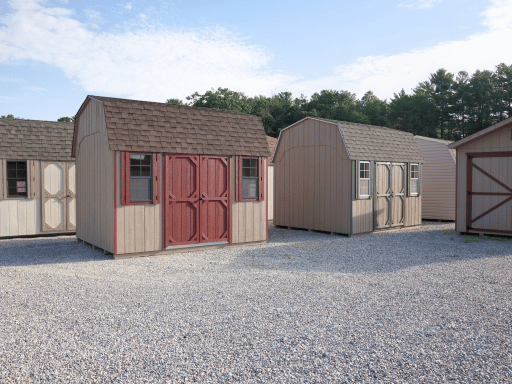
When considering adding extra storage space to your outdoor space, one of the most important questions homeowners ask is: how long do sheds last? The answer depends on several factors, including the shed material, construction quality, and maintenance practices. Understanding shed life expectancy can help you make the right investment for your property and ensure you get maximum lifespan from your outdoor structures. TLDR: Key Points About Shed Lifespan • Material matters most: Wood sheds last 15-30+ years, metal sheds 20-30+ years, and vinyl/plastic sheds 10-20 years with proper care• Quality construction extends life: Professional building techniques, solid foundations, and premium materials significantly increase longevity• Maintenance is essential: Regular inspections, cleaning, and timely repairs can double your shed’s useful life• Climate considerations: Choosing appropriate materials and construction methods for your local weather conditions maximizes durability Ready to Invest in a Long-Lasting Shed? Don’t settle for a temporary storage solution that will need replacement in just a few years. At Spokane Shed Co., we build sheds like small houses, using quality materials and expert craftsmanship that ensures decades of reliable service. From our signature architectural shingles to our solid foundation systems, every detail is designed for longevity. Ready to explore your options? Browse our complete collection of custom sheds and discover how our superior construction methods can provide the durable, beautiful storage solution your property deserves. Factors That Determine How Long Sheds Last The life expectancy of any storage shed isn’t determined by a single factor. Instead, multiple elements work together to influence how long your shed will serve your needs effectively. Shed Material Makes All the Difference The building material you choose is the most significant factor affecting your shed’s lifespan. Different materials offer varying levels of durability, maintenance requirements, and resistance to weather elements. A wooden shed constructed with pressure treated wood and quality materials can provide decades of reliable service. At Spokane Shed Co., we build our wooden structures with 2×4 studs (16″ on center) and use LP Smartside for siding, ensuring your traditional gable style or The Farmhouse shed design withstands the test of time. Metal sheds, particularly those made with galvanized steel, offer exceptional durability against harsh weather and can last 20-30 years with minimal maintenance. The sturdy frame construction prevents warping and provides excellent structural integrity. Vinyl shed and plastic sheds represent modern alternatives that resist moisture and don’t require painting. While these materials may have a shorter expected lifespan compared to properly treated wood or metal, they offer convenience for homeowners seeking low-maintenance options. Quality of Construction and Building Materials Construction materials and building techniques significantly impact shed life. High quality materials combined with proper construction methods create outdoor structures that can weather extreme weather conditions for decades. Our sheds at Spokane Shed Co. sit on 4×4 treated wood beams and concrete pads with moisture barriers, creating a solid foundation that prevents moisture damage and extends the overall shed life expectancy. We use 30-year architectural roof shingles and house-quality windows, bringing custom home building standards to shed construction. Weather Conditions and Environmental Factors Weather elements play a crucial role in determining how long sheds last. Extreme weather conditions, including heavy snow, intense heat, and driving rain, can accelerate wear on any outdoor shed. However, sheds built with treated wood and proper design can handle these challenges effectively. The key is choosing construction that accounts for your local climate. Our on-site consultation process ensures your new shed is designed specifically for Spokane’s weather patterns, maximizing its longevity in our unique environment. Shed Life Expectancy by Material Type Understanding the typical lifespan of different shed materials helps you select the perfect shed for your needs and budget. Wooden Shed Lifespan and Durability A wood storage shed or wooden storage shed built with pressure treated wood can last 15-30 years or more with proper maintenance. The natural beauty and versatility of wooden structures make them a popular choice for garden shed applications. Wood sheds require regular maintenance, including periodic staining or painting to protect against moisture and UV damage. However, when properly maintained, a wooden shed can provide a long lifespan that often exceeds other materials. Our The Modern Shed option showcases how contemporary design can be achieved with wood while maintaining the durability that makes wooden sheds a smart long-term investment. Metal Sheds: Built to Last Decades Metal sheds, especially those constructed with galvanized steel, typically offer the longest lifespan among prefabricated options. These structures can easily last 20-30 years and often longer when properly maintained. The primary advantages of metal construction include resistance to pests, fire, and rot. Metal doesn’t warp or crack like other materials, maintaining structural integrity throughout its service life. Vinyl and Plastic Shed Longevity Vinyl siding and plastic structure options typically last 10-20 years. While this may seem shorter than other materials, these sheds require minimal maintenance and won’t rot, rust, or require painting. Resin sheds fall into this category and offer good durability for homeowners seeking low-maintenance storage solutions. However, they may become brittle over time, especially when exposed to extreme temperature fluctuations. Maximizing Your Shed’s Lifespan Through Proper Maintenance Regardless of the right shed material you choose, proper maintenance is essential for achieving maximum lifespan from your investment. Regular Maintenance Requirements Regular maintenance practices can significantly extend your shed’s life expectancy based on consistent care. Key maintenance tasks include: Our quality construction at Spokane Shed Co. minimizes maintenance requirements, but these simple steps will help your explore our high-quality sheds maintain their beauty and function for decades. Protecting Your Shed from Weather Elements Protecting your outdoor structures from weather damage involves both design choices and ongoing care. Proper ventilation prevents moisture buildup, while quality materials resist damage from UV rays and precipitation. When you properly maintain your shed through regular inspections and timely repairs, you can expect sheds can last well beyond their typical life expectancy. The combination of superior construction and conscientious care creates the foundation for long-term satisfaction with your storage solution. Signs Your Shed Needs
Shed Designs: Your Complete Guide to Planning the Perfect Backyard Structure
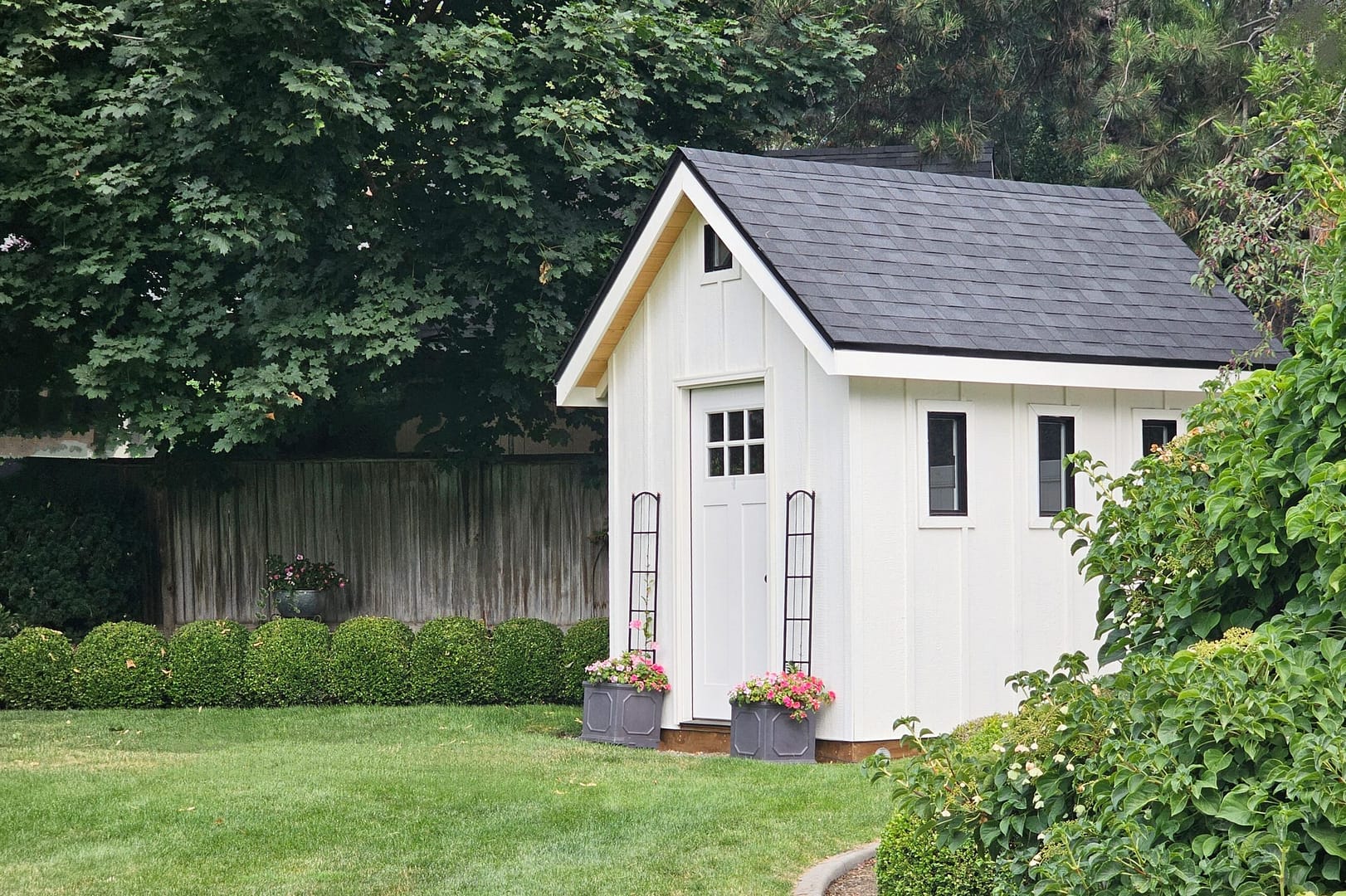
When it comes to adding functional storage and workspace to your property, choosing the right shed designs can transform your backyard into an organized, efficient space. Whether you need a simple storage shed for garden tools or a sophisticated office shed for remote work, understanding your options is the first step toward creating the perfect outdoor structure. At Spokane Shed Co., we’ve been helping homeowners bring their vision to life since 1988, combining custom home building expertise with specialized shed construction. Our approach goes beyond basic storage solutions—we create beautiful, durable structures that enhance your property while meeting your specific needs. Key Takeaways • Choose designs based on primary function – storage, workshop, office, or multi-purpose use all have different requirements• Roof style impacts both aesthetics and functionality – gable roofs offer maximum storage space while barn styles provide rustic appeal• Professional construction ensures longevity – quality materials and proper techniques create structures that last decades• Custom features enhance usability – double doors, electrical service, and organized storage systems maximize your investment Ready to Build Your Dream Shed? Don’t settle for a basic storage solution when you can have a custom-designed structure that perfectly fits your needs and enhances your property. Our team brings decades of building experience and a commitment to quality craftsmanship to every project. Explore our complete collection of shed designs and discover how Spokane Shed Co. can transform your backyard with a beautiful, functional structure built to last. Popular Storage Shed Design Styles for Every Need Traditional Gable Roof Design for Maximum Storage Space The gable roof remains one of the most popular choices for storage shed plans, and for good reason. This classic design provides excellent headroom and ample space for storing everything from garden equipment to seasonal decorations. The steep roof angle naturally sheds water and snow, making it ideal for our Pacific Northwest climate. Our traditional gable designs feature a sturdy frame construction with 2×4 studs spaced 16 inches on center, ensuring your storage shed can handle heavy loads while maintaining structural integrity. The generous floor space underneath allows you to organize tools efficiently and even include workbenches for projects. Barn Shed Plans for Rustic Appeal and Ample Space For those seeking both functionality and aesthetic appeal, barn shed plans offer the perfect combination. These designs feature the classic gambrel roof line that provides exceptional storage space in the upper area while maintaining that timeless rural charm. The style roof creates natural storage areas that work perfectly for seasonal items or equipment you don’t access daily. The Farmhouse shed design exemplifies this approach, combining traditional barn aesthetics with modern construction techniques. This design is particularly effective for larger storage needs, offering multiple levels of organization while serving as an attractive focal point in your backyard. Modern Office Shed Designs for Remote Work Today’s backyard shed serves purposes far beyond simple storage. The growing trend toward remote work has created demand for dedicated office space, and a well-designed office shed provides the perfect solution. These structures require careful consideration of natural light, insulation, and electrical access to create a comfortable workspace. Our Dormer Shed design incorporates dormer windows that flood the interior with natural light while adding architectural interest to the exterior. The additional headroom created by the dormers makes the space feel larger and more comfortable for extended work sessions. Essential Elements in Professional Shed Construction Choosing the Right Shed Door Configuration The shed door is often overlooked during the planning process, yet it significantly impacts both functionality and appearance. Single doors work well for smaller storage sheds where you’ll primarily store garden tools and seasonal items. However, if you plan to store larger equipment or use the space as a workshop, double doors provide much better access. Consider the size of items you’ll need to move in and out of your new shed. Lawn mowers, bicycles, and outdoor furniture all benefit from wider door openings. Double doors also create better ventilation when you’re working inside the structure. Roof Style Options: From Gable Roof to Contemporary Designs While the gable roof remains popular, modern shed construction offers numerous style roof options. Hip roofs provide excellent wind resistance and create a more contemporary appearance. Shed roofs (single slope) work well for structures built against existing buildings and offer a clean, minimalist aesthetic. The key is matching your roof choice to both functional needs and your home’s architectural style. A well-chosen roof design enhances your property’s overall appearance while providing decades of reliable protection. Maximizing Floor Space in Your New Shed Effective space planning begins with understanding how you’ll use your storage space. Start by listing everything you plan to store, then consider how often you’ll access each item. Frequently used garden tools should be easily accessible near the entrance, while seasonal decorations can be stored on high shelves or in less convenient areas. Built-in storage solutions like wall-mounted tool racks, overhead shelving, and pegboard systems dramatically increase your effective floor space. These features should be planned during the design phase to ensure proper support and integration with the building’s structure. Designing Your Garden Shed for Optimal Functionality Storage Solutions for Garden Tools and Equipment A well-designed garden shed goes beyond simply housing your tools—it creates an organized system that makes gardening more enjoyable. Consider dedicated storage areas for different types of garden equipment: long-handled tools, power equipment, potting supplies, and chemicals all have different storage requirements. The Potting Shed design addresses these needs specifically, incorporating work surfaces, organized storage, and even water access for serious gardeners. This specialized approach ensures every garden tool has its place while creating an efficient workspace for plant care and maintenance. Creating Backyard Storage That Complements Your Landscape Your backyard shed should enhance, not detract from, your landscape design. Consider sight lines from your home’s main living areas and choose a location that feels integrated rather than intrusive. The building’s materials and colors should complement your home’s exterior while fitting naturally into the garden setting. Thoughtful landscaping around
What is an Outbuilding? Uses & Benefits Explained
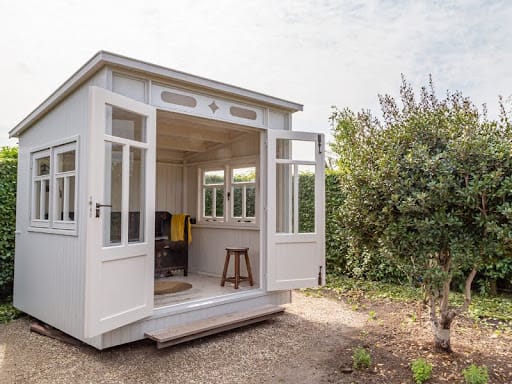
A property owner needs more space but isn’t sure how to get it. An outbuilding is a separate structure on your property that can help. This article will show you the benefits and uses of outbuildings. Let’s explore together. Key Takeaways Ready to add the perfect outbuilding to your property? Whether you’re looking for extra storage, a creative workspace, or simply want to increase your home’s value, we’re here to help you make it happen. Call us now at 509-510-Shed (7433) or Get a Free Quote Here to get started! Explore our selection of modern sheds and garages to find the perfect fit for your needs. Our The Modern Shed collection is designed to combine functionality with style, offering a sleek, modern look for your outdoor space. If you’re looking for something more spacious like a garage or shop, we have got you covered. Our team is ready to assist with every step, from planning to construction. Let’s create the space you need! What is an Outbuilding? An outbuilding is a structure separate from the main house on a piece of property. These buildings often lie within the curtilage boundaries but away from the main dwelling, serving different purposes such as storage or workspace. Outbuildings include barns, sheds, and garages, clearly detached from the house they complement. Property owners use these structures for various tasks outside the outermost part of their homes. Whether storing garden tools in a shed or setting up a workshop in a barn, these outer structures play crucial roles in maximizing the usable space on one’s land. Their versatility makes them essential for homeowners seeking to expand without altering their main building. Types of Outbuildings Outbuildings serve various purposes and come in many forms. They enhance a property by providing additional space, whether for work, storage, or hobbies. Each type of outbuilding adds value to the property by expanding usable space within a reasonable zone of the primary residence. Moreover, they can be customized to suit personal needs or preferences while maintaining functionality and style. Benefits of Having an Outbuilding Having an outbuilding brings about the advantage of additional storage space, providing ample room to store tools, equipment, and seasonal items. It also contributes to increased property value, making it an attractive investment for homeowners looking to enhance their property’s functionality and appeal. Additional Storage Space Outbuildings offer a perfect solution for homeowners seeking extra storage space. These structures allow you to clear clutter from your main house by storing tools, lawn equipment, and holiday decorations outside the home. This way, your living spaces stay more organized and less crowded. An outbuilding turns unused outdoor square footage into valuable storage area. People also keep seasonal items like patio furniture and sports equipment in these handy structures. Making use of an outbuilding for additional storage can transform how you organize your home, providing a dedicated spot for items that are not needed year-round. Increased Property Value Outbuildings can significantly enhance property value. A study by the National Association of Realtors revealed that adding a detached structure, such as a garage or studio, can increase the overall property value by up to 10%. This means that investing in an outbuilding not only offers practical benefits but also functions as a strategic financial move. Moreover, outbuildings improve curb appeal and attract potential buyers who are willing to pay more for properties with versatile and functional amenities like additional storage space or a dedicated workspace. By adding an outbuilding, homeowners can take advantage of increasing their home’s worth while enjoying the added convenience and flexibility these structures offer. Real estate experts also note that properly designed and constructed outbuildings contribute positively to property appraisals by providing extra usable square footage without engaging in costly interior renovations. Common Uses for Outbuildings Outbuildings serve various purposes, such as creating a dedicated space for home offices, enabling peaceful retreats away from the main house. Moreover, they provide the ideal setting for workshops and studios, fostering creativity and productivity in a separate environment conducive to focused work. Home Offices Outbuildings have the potential to serve as tranquil home offices rather than just storage spaces. These detached areas offer a peaceful escape from household distractions, enabling focused work and creativity. With electricity and high-speed internet, they provide a professional workspace within the convenience of your property. Amid the growing trend of remote work, outbuildings such as home offices have become a sought-after addition to residential properties. They not only increase the value of your home but also offer a specific area for productivity and focus. Moreover, if well-planned with insulation and heating, these outbuildings can be utilized year-round regardless of weather conditions. Workshops and Studios Workshops and studios are versatile outbuildings that serve as creative spaces for various activities. Whether it’s woodworking, painting, or crafting, these structures provide a dedicated area away from the main house where individuals can pursue their hobbies and professional endeavors in a focused environment. These outbuildings are designed with features conducive to specific crafts, such as ample natural light for artists and sturdy workbenches for craftsmen. Moreover, workshops and studios offer privacy, allowing individuals to engage in their projects without disruptions. Furthermore, workshops and studios add value to properties by expanding functional space beyond the primary residence. For homeowners seeking a separate workspace or artists looking to immerse themselves in their artistry without distractions, these outbuildings provide an ideal solution while enhancing the overall appeal of the property. Garden Sheds and Storage Garden sheds are versatile structures that offer invaluable storage space, keeping gardening tools, equipment, and supplies organized and protected from the elements. These outbuildings provide a dedicated space for storing lawnmowers, shovels, pots, and other essentials needed for maintaining a garden or yard. Moreover, they can serve as a hub for various gardening activities by providing convenient access to items like fertilizers and insecticides while safeguarding them from humidity and pests. Also, garden sheds contribute to creating an aesthetically pleasing outdoor environment by efficiently tucking away clutter